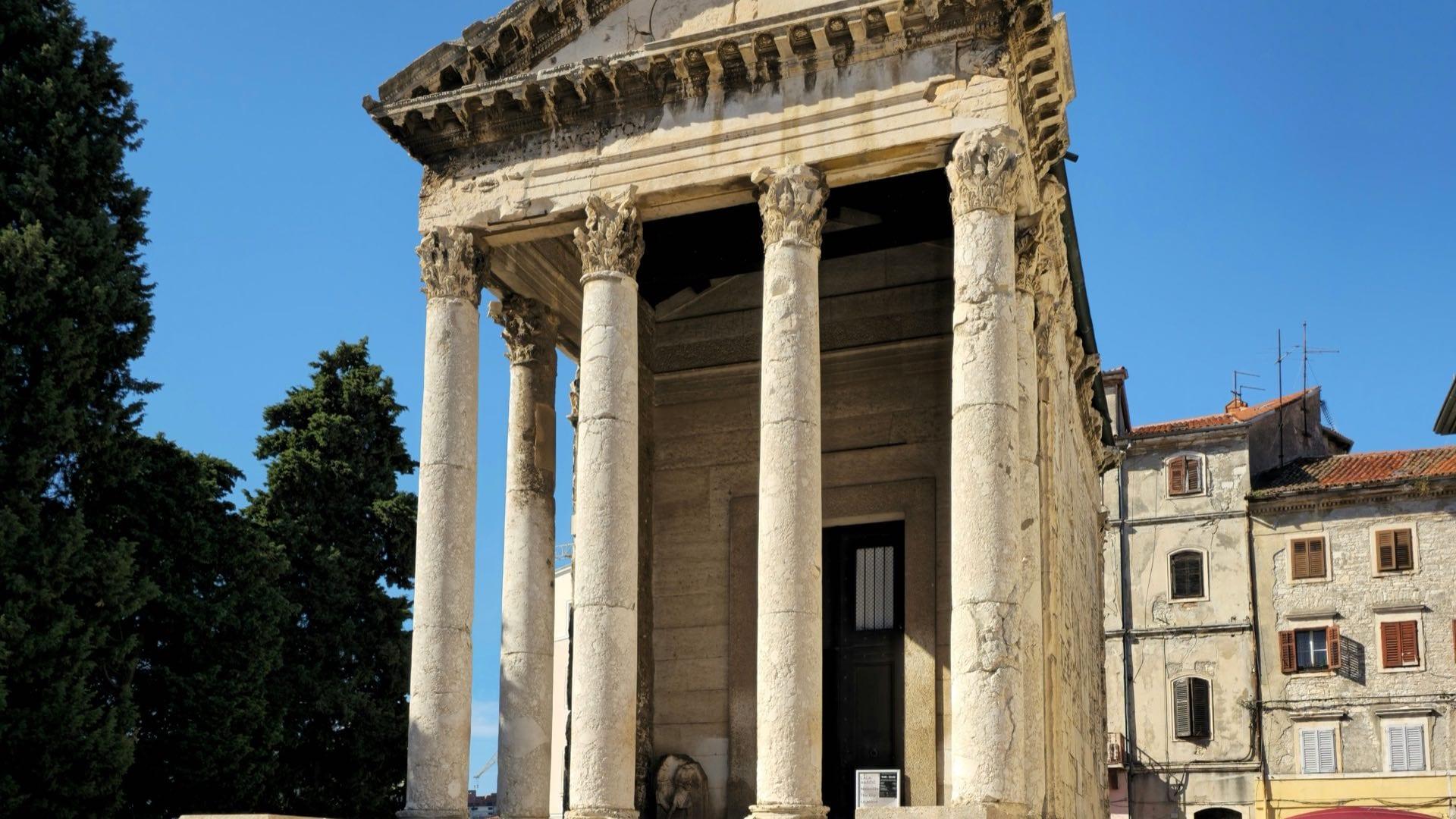
Pula City Guide
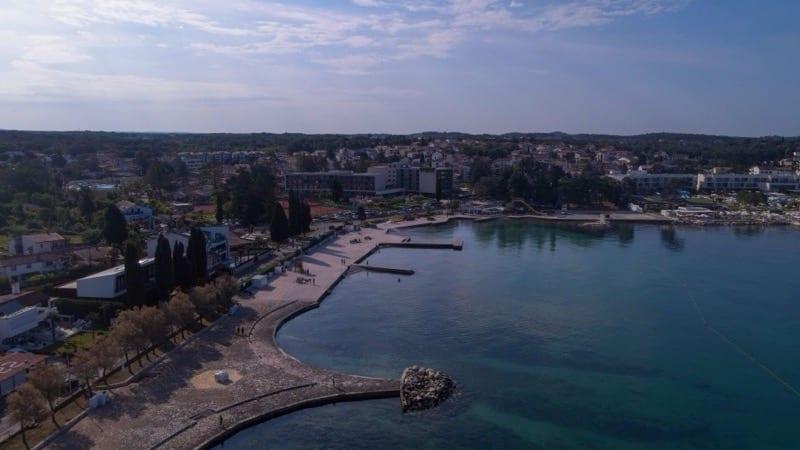
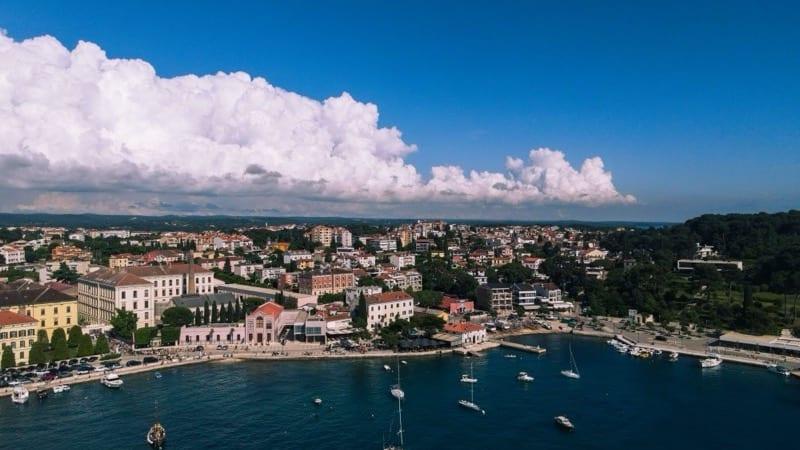
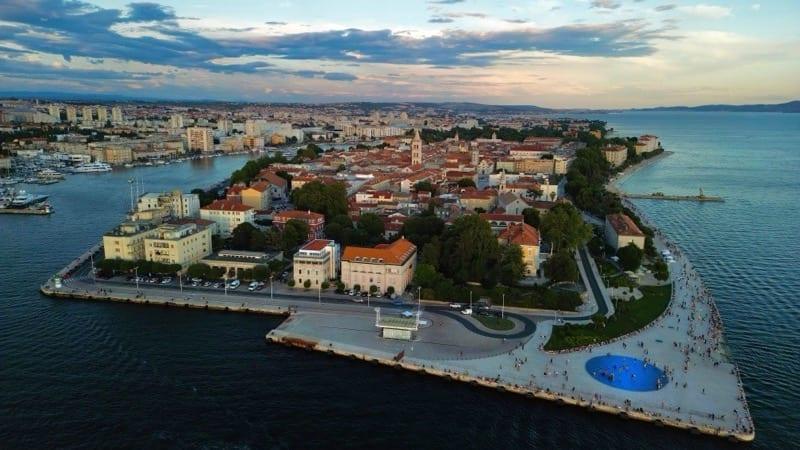
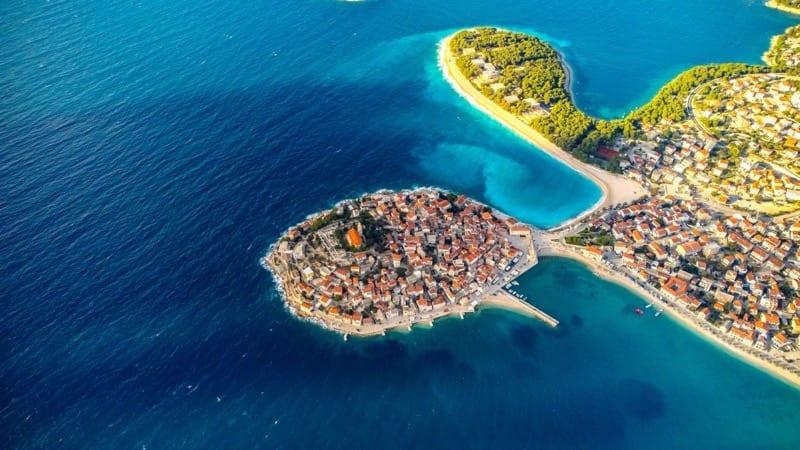
Pula is the largest city on the Istrian peninsula and Croatia's most underrated coastal-investor market, a Roman city with one of the world's best-preserved 1st-century amphitheatres (the Pula Arena), an Adriatic coastline of pine-shaded coves, and property prices that remain materially below Rovinj and South Dalmatia for comparable coastal lifestyle. Croatia's January 2023 Eurozone accession eliminated currency-conversion friction for EU buyers, and Pula's strong cultural identity, university (University of Pula / Sveučilište Jurja Dobrile), and shipbuilding-engineering economic base differentiate it from purely tourist-driven Croatian markets. The city's identity is shaped by overlapping waves of history, Roman, Venetian, Austro-Hungarian, Italian, and Yugoslav, and a diaspora-returning buyer base from Italy, Slovenia, Germany, and Croatian-descent second-generation Europeans is materially driving the current market. The 2026 annual property tax (replacing the prior holiday-home levy) sets the new operating cost baseline for non-residents and STR investors.
Figures are indicative and subject to change. Regulations, taxes and market conditions vary by jurisdiction. Do your own due diligence and seek independent legal and financial advice.