Krabi City Guide
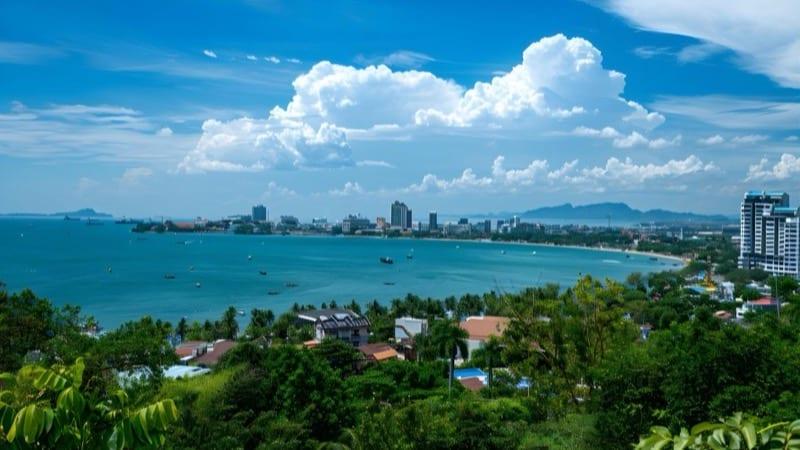
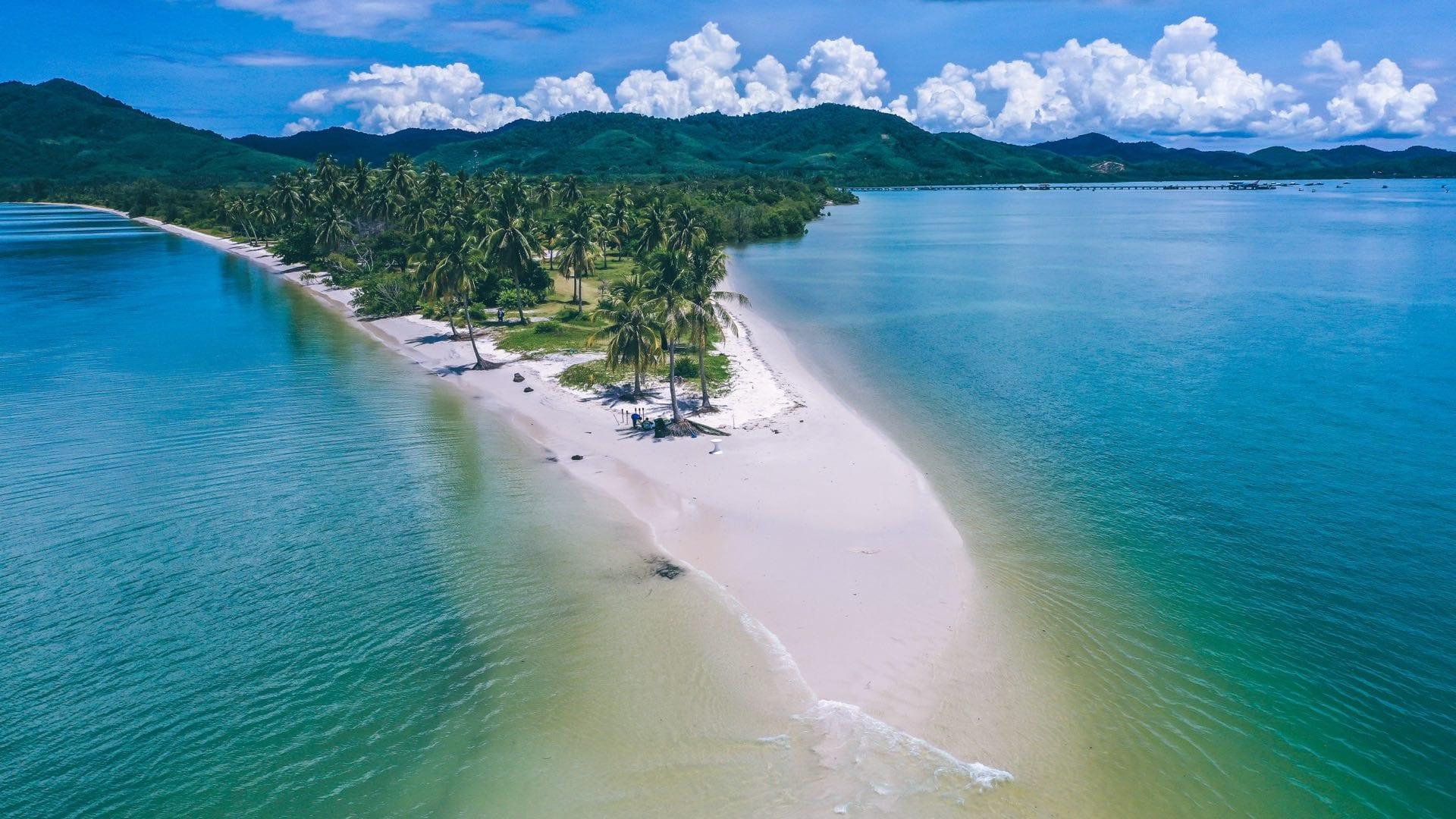
Krabi, on Thailand's Andaman coast, is a tourism-driven resort market prized for its dramatic limestone karsts, beaches and proximity to Railay and the Phi Phi islands. Quieter and lower-priced than neighbouring Phuket, the province pairs a small provincial capital (Krabi Town, population around 33,000) with internationally famous beach destinations led by Ao Nang. The investment appeal is lifestyle and holiday-rental income: median property prices sit near USD 370,000 overall and USD 142,000 for condominiums (about USD 2,400/m2), with gross rental yields around 6% and high short-term occupancy in prime beach areas. Tourism is the engine: Thailand expected 41 million international arrivals in 2025, and Krabi benefits from new direct flights and a major mixed-use mall opening in central Krabi. Development is expanding into the Nong Thale and Khao Thong sub-districts beyond the established Ao Nang corridor. The critical structural factor is Thai ownership law: foreigners can own condominium units outright but only up to 49% of a building's saleable area, while land and villas are typically held on renewable 30-year leaseholds or via Thai-majority structures. Investors should weigh genuine risks: the 49% condo cap and leasehold complexity for landed property, heavy dependence on tourism seasonality and international arrivals, baht currency movements, and environmental and zoning sensitivities along a protected coastline.
Figures are indicative and subject to change. Regulations, taxes and market conditions vary by jurisdiction. Do your own due diligence and seek independent legal and financial advice.